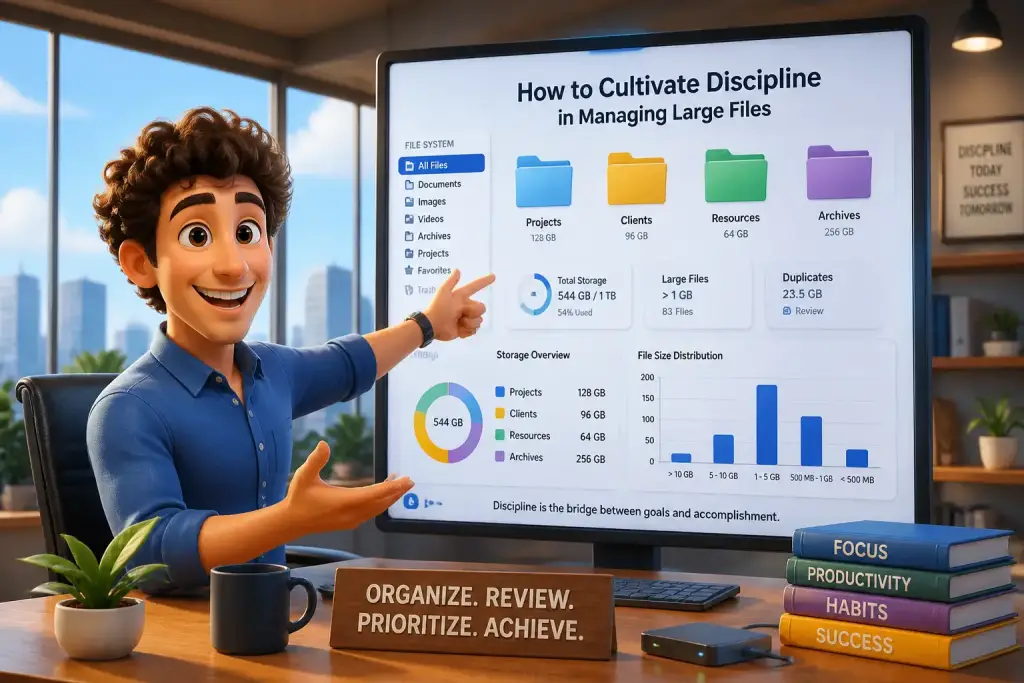










Facing the countless files on your computer can feel overwhelming. Many people struggle with file management, often leading to frustration and lost productivity. Developing a positive attitude toward file management is essential. It can transform how you interact with your digital workspace. By embracing organization and a systematic approach, you can make file management a more enjoyable and productive experience. Let’s explore practical strategies to cultivate this positive mindset.
- Viewing file management as an essential skill can increase productivity and reduce stress.
- Implementing simple organizational systems helps maintain a positive mindset.
- Regularly reviewing and deleting unnecessary files promotes clarity and ease of access.
Table of Contents
Recognize the Importance of File Management
Understanding why file management matters can help shift your perspective. Every file you create, receive, or store plays a role in your work. When you treat these files with care, you enhance your productivity. Imagine spending less time searching for documents and more time completing tasks. An organized system allows for quick access to vital information, which is crucial in today’s fast-paced work environment.
Many professionals face challenges with cluttered file systems. This clutter can lead to frustration and wasted time. For instance, think about an employee who must sift through hundreds of documents to find a single report. By recognizing the importance of file management, you will start viewing it as a valuable skill rather than just a chore. This mindset shift can lead to more efficient practices.
Benefits of Effective File Management
- Improved productivity: Quickly locate files and reduce time spent searching.
- Reduced stress: An organized system minimizes chaos, allowing for a clearer mind.
- Enhanced collaboration: Share files easily with organized systems, making teamwork smoother.
As you acknowledge these benefits, your outlook on file management can change radically. A positive attitude will help you appreciate the role of organization in your daily tasks.
Create a User-Friendly Organization System
Building an effective organization system is key to developing a positive attitude toward file management. Start by categorizing files in a way that makes sense to you. Consider using folders that are easy to understand, such as “Work,” “Personal,” and “Projects.” This simple structure can make a significant difference. It allows you to find what you need without frustration.
Utilizing naming conventions can also help. Instead of leaving file names as defaults, rename them to reflect their contents. For example, instead of “Document1,” use “2026_Marketing_Report.” This small change can make a big impact, as it allows for quicker recognition of files. Consistency in naming will help you and your colleagues easily identify documents.
Steps to Establish an Organization System
- Assess your current file situation: Identify what is working and what is not.
- Create main categories: Establish broad folders that represent different aspects of your work.
- Develop subcategories: Organize files further within each main category for better clarity.
- Set naming rules: Decide how you will name your files consistently.
- Review regularly: Schedule time to revisit your system and make adjustments as needed.
By following these steps, you will foster a more positive mindset toward file management. An organized system makes it easier to maintain control over your digital space.
Implement Digital Tools for Efficiency
Modern tools can greatly enhance your file management experience. Many software applications are available that simplify organization and access. For example, cloud storage solutions like Google Drive or Dropbox allow for easy file sharing and accessibility from anywhere. These platforms offer features that can help streamline your workflow.
To cloud storage, consider utilizing project management tools like Trello or Asana. These applications can assist in organizing tasks and associated files in one place. By integrating these tools into your routine, you can develop a more positive attitude toward managing files. They provide a clear structure that keeps your digital workspace tidy.
Popular Digital Tools for File Management
- Google Drive: Offers cloud storage with easy sharing options.
- Dropbox: Provides file synchronization across devices.
- Trello: Helps manage projects with organized boards and cards.
- Asana: Allows for task management with file attachments.
Using these tools can reduce the burden of file management. They can help you stay organized and maintain a positive outlook toward your digital files.
Regularly Review and Clean Up Files
Consistent maintenance is vital for a positive attitude toward file management. Regularly reviewing and cleaning up files prevents clutter from building up. Set a specific day each month to check your files and remove what you no longer need. This habit can lead to a more manageable digital environment.
During these review sessions, ask yourself if each file is still relevant. If a document is no longer useful, delete it. Keeping only what is necessary allows you to focus on what truly matters. This practice not only promotes organization but also reduces the anxiety associated with clutter.
Effective Cleaning Techniques
- Schedule regular clean-up sessions: Set aside time monthly to review files.
- Delete unnecessary files: If you haven’t used a file in six months, consider removing it.
- Archive older files: Move files that are not actively needed to an archive folder.
- Organize new files immediately: Make it a habit to file new documents right away.
By implementing these techniques, you’ll maintain a positive relationship with your file management. A clean and organized system will help you feel more accomplished and less stressed.
Set aside time weekly to organize files and remove what you no longer need; this keeps your digital space clean and manageable.
Build a Habit of Positive Mindset
Developing a positive attitude toward file management is more than just organization; it also encompasses mindset. Embrace a proactive approach to your files. Instead of viewing file management as a chore, see it as an integral part of your work that can enhance efficiency. This shift in mindset can make a significant difference in how you approach your tasks.
Consider creating a reward system for yourself. For example, after completing a file organization task, treat yourself to something enjoyable. This could be a small break, a favorite snack, or spending time on a hobby. Positive reinforcement can motivate you to maintain good file management practices.
Tips for Cultivating a Positive Mindset
- Focus on the benefits: Remind yourself of how organization improves your work life.
- Practice gratitude: Appreciate the time saved through efficient management.
- Set achievable goals: Break down file management tasks into smaller, manageable steps.
Adopting this positive mindset will not only improve your file management skills but will also enhance your overall productivity. As you continue to build these habits, your relationship with file management will evolve into a more enjoyable and rewarding experience.